

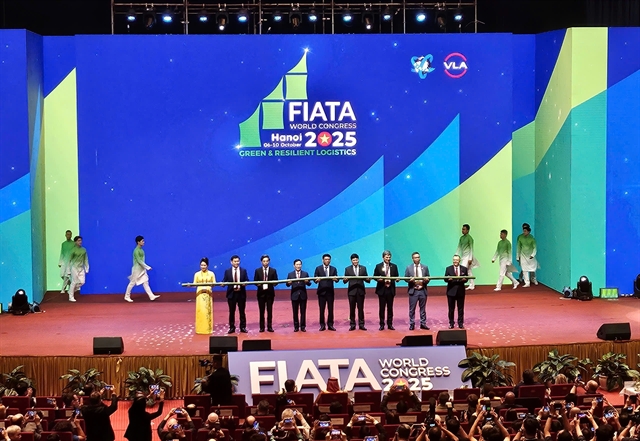
At the FIATA World Congress 2025 held in Hanoi, the International Federation of Freight Forwarders Associations (FIATA) reaffirmed its growing influence in global logistics while highlighting key challenges threatening today’s supply chain landscape.
I. FIATA’s Global Recognition
FIATA has officially been granted full consultative status with the International Maritime Organization (IMO) – a significant milestone giving freight forwarders a stronger voice in maritime policy-making.
It also joins the Marine Environment Protection Committee (MEPC) to contribute to global discussions on sustainability and decarbonization in maritime transport.
II. Emerging Challenges in the Supply Chain
- Vertical integration of shipping lines
Major carriers are expanding into port operations, warehousing, and logistics services, limiting the role of independent forwarders.
FIATA advises members to use the FIATA Bill of Lading to retain control and transparency in freight management. - New EU regulations (ICS2 & container inspections)
Starting April 2025, the EU’s ICS2 Release 3 will require house-level filing for all inbound shipments.
FIATA has successfully advocated for forwarders’ right to self-file and opposed mandatory container cleaning policies that could increase costs and cause delays. - Challenges in road transport & digital logistics
Price volatility, driver shortages, and the rise of digital freight platforms pose new contractual and transparency risks for logistics providers.
III. ASEAN and Vietnam – Pathways Forward
FIATA supports ASEAN countries, including Vietnam, in implementing the ASEAN Framework for Multimodal Transport Operations, harmonizing regional logistics laws and promoting cross-border data standardization.
For Vietnam, greater focus on digital documentation and customs transparency is essential, especially in trade with China.
FIATA calls on the logistics industry to embrace self-regulation and accountability in adapting to digital and green transitions.
With its new consultative role at the IMO, FIATA continues to represent forwarders globally, advocating for a sustainable, transparent, and balanced supply chain.
Source: thegioianh